


Purpose
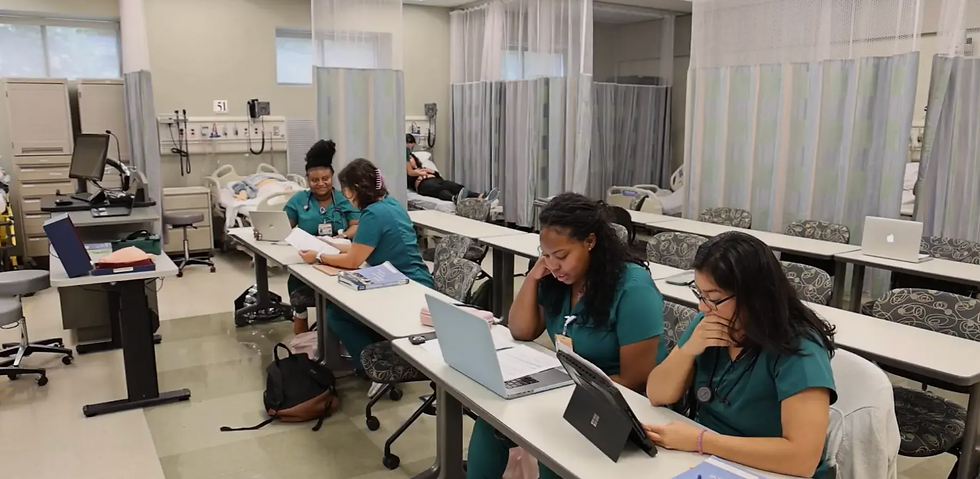
The purpose of this website is to provide nursing students with a structured, accessible platform to develop essential clinical skills for caring for patients with dementia. As the prevalence of dementia continues to rise globally, nurses are increasingly expected to deliver competent, patient-centered care to individuals experiencing cognitive impairment. However, research suggests that many nursing students report feeling underprepared when managing dementia-related behaviors, communication challenges, and complex care needs in clinical settings.
This website was developed to address these educational gaps by offering step-by-step skill modules, clinical scenarios, and practical communication strategies that mirror real-world patient interactions. The content is designed to promote clinical reasoning, enhance confidence, and support the transition from theoretical knowledge to bedside practice.
The design and content of this website are grounded in current evidence-based literature and established clinical guidelines. Resources from organizations such as the Alzheimer’s Association and the National Institute on Aging emphasize the importance of person-centered care, therapeutic communication, and behavioral management in dementia care. Additionally, nursing education frameworks support the use of simulation-based learning and scenario-driven instruction to improve student competency and retention of clinical skills.

About Developer
My name is Ashley, and I am a nursing student currently in my third semester of the program. Throughout my coursework, I have developed a strong foundation in understanding dementia, including its pathophysiology, progression, and methods of assessment. While this knowledge has been essential, I began to notice a gap between what we learn in lecture and what we are expected to do in real clinical settings.
In the classroom, we are taught what dementia is and how to assess patients, but there is often limited focus on how to apply this knowledge at the bedside. During clinical experiences, I found that situations such as managing agitation, communicating effectively with confused patients, or safely completing routine tasks like vital signs or medication administration can be challenging without clear, practical guidance.
This realization is what inspired me to create this website. My goal is to bridge the gap between theory and practice by providing nursing students with realistic scenarios, step-by-step skill guidance, and therapeutic communication strategies that can be directly applied in clinical settings. By focusing on practical application, I hope to help other students feel more confident, prepared, and supported when caring for patients with dementia.
About Supervisor
This project was developed under the guidance of Dr. Modupe Akintomide (Adewuyi), whose expertise and mentorship were instrumental in shaping both the academic rigor and clinical relevance of this work. Dr. Akintomide’s research is rooted in improving outcomes for “at-risk” populations, with a particular focus on aging, evidence-based and technology-driven interventions, and individuals living with Alzheimer’s disease and related dementias, as well as their care partners.
Her work explores the complex relationship between socio-ecological contexts, psychosocial determinants, healthcare interventions, and overall quality of care. Using community-based participatory research principles, mixed-methods designs, and equity-centered approaches informed by behavioral science and social science theories, she investigates how these factors contribute to health and socioeconomic disparities. Her research also incorporates psychometric methods to better understand and measure patient outcomes and care experiences.
In addition, Dr. Akintomide collaborates across disciplines and internationally to co-develop and evaluate digital tools, assistive technologies, and innovative models of care. Her work emphasizes creating solutions that are not only evidence-based, but also practical, sustainable, and accessible to diverse populations. Through funded research projects, she has made significant contributions to the field, with publications in high-impact peer-reviewed journals, as well as presentations at professional conferences and contributions to academic texts.
Her guidance throughout this project emphasized the importance of bridging theory and practice, ensuring that the content of this website is grounded in evidence-based care while remaining applicable to real-world clinical settings. This influence is reflected in the website’s focus on practical skills, patient-centered approaches, and improving care for individuals with dementia.
Nursing Skills
Therapeutic Communication
Utilizing specialized verbal and non-verbal techniques to de-escalate anxiety and build trust with patients living with dementia.
Behavioral Assessment
Identifying triggers for distressed behaviors and implementing non-pharmacological interventions to ensure patient safety and comfort.
ADL Assistance
Providing patient-centered support for Activities of Daily Living while maintaining dignity and promoting independence where possible.
Medication Management
Understanding the specific pharmacology used in dementia care and monitoring for side effects or adverse drug interactions.
Taking Vital Signs
Taking vital signs in patients with dementia is important because they may not be able to recognize or communicate symptoms effectively. Changes in vital signs—such as temperature, heart rate, or blood pressure—can be early indicators of issues like infection, dehydration, or other acute conditions.
Pain Assessment
Pain assessment is essential in patients with dementia because they may have difficulty expressing or describing their pain. Instead of verbal reports, pain may present as behavioral changes such as agitation, restlessness, or withdrawal. Without proper assessment, pain can go unrecognized and untreated.
Therapeutic Communication
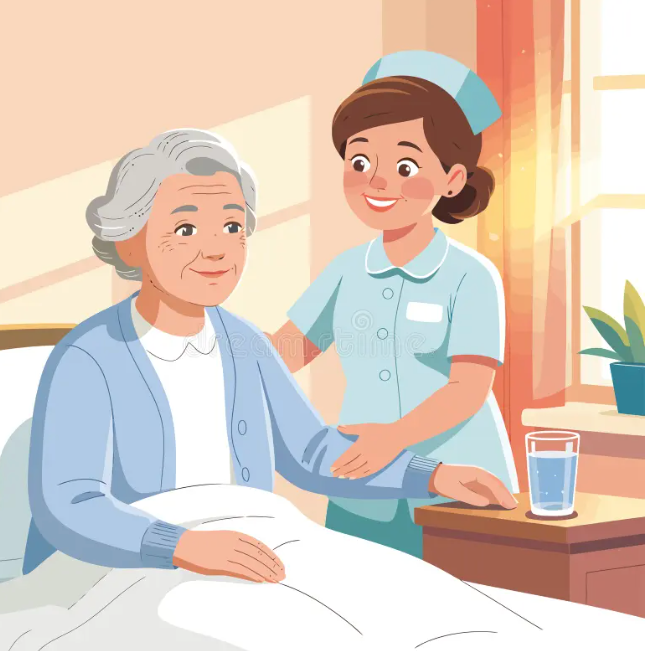
Effective communication is the cornerstone of dementia care. By mastering therapeutic techniques, nursing students can bridge the gap created by cognitive decline, ensuring patients feel heard, understood, and safe within their environment.
Scenario
Mrs. D becomes tearful and distressed during care. She says,“I need to go pick up my children from school. They’ll be worried.”
When you explain she is in the hospital and her children are adults, she becomes more upset and repeats the statement louder.
Skill focus:
Avoid confrontation or reality correction
Validate emotions
Redirect attention appropriately
Evaluate response to communication approach.
Student nurse should say:
“You really care about your children—that sounds important to you. Tell me about them.”
Validates emotion instead of correcting false belief.

Behavioral Assessment
Understanding behavioral changes in dementia requires a systematic approach to identify underlying causes. Behaviors are often a form of communication for unmet needs or environmental distress.
Scenario:
During evening shift, Mr. J becomes increasingly restless around 7:30 PM. He begins pacing the hallway and repeatedly says,
“I need to go home right now. My parents are waiting for me.”
When staff attempt to redirect him back to his room, he raises his voice and pushes away assistance.
.
Skill focus:
-
Identify sundowning
-
Recognize agitation triggers
-
Apply de-escalation techniques
-
Reassess behavioral response.
Student Nurse Response
-
Patient: “I need to go home right now!”
-
Student nurse should say
-
“You seem really worried right now. You’re safe here with me. Let’s sit together for a moment.”
Validates emotion + ensures safety + redirects.
Medication Management
Safe and effective medication management is a cornerstone of dementia care. Nursing students must navigate complex pharmacological profiles while ensuring patient comfort and adherence.
Scenario
-
Setting: Long-term care facility
Patient: Mrs. K, 84-year-old with moderate dementia and hypertension
You are a student nurse preparing to administer her morning medications. When you approach, she becomes suspicious and pushes the medication cup away.
She says:
“No, I’m not taking that. You’re trying to poison me.”
She turns her head away, crosses her arms, and becomes increasingly agitated when you move closer.
Her MAR shows she is due for: -
Antihypertensive medication
-
Donepezil
Your response
Skill Focus
-
Safe medication administration in cognitively impaired patients
-
Managing refusal of medication
-
Using therapeutic communication
-
Ensuring patient safety without force
-
-
“I can see that this is worrying you. I’m not here to harm you—I’m here to help you feel better. Would it be okay if I stayed with you for a moment?”
-
(Pause, give space)
-
“These are the medications you usually take in the morning. We can go slowly, and you’re in control.”


ADL Assistance in Dementia care
Supporting independence and preserving dignity through person-centered techniques for Activities of Daily Living (ADLs). Nursing students must master adaptive communication and physical assistance methods to minimize distress during sensitive tasks like bathing, dressing, and grooming.
Checklist
1. Assess bathing ability: Independent / needs assistance / dependent
2. Assess dressing: Can select clothes appropriately? Needs cueing or full assistance?
3. Assess feeding: Eats independently? Needs setup or full assistance?
4. Assess toileting: Continent / incontinent / needs assistance
5. Assess mobility: Independent walking, Assistive device use, Fall risk indicators
Expected Findings
Gradual decline in ADLs with dementia progression. Sudden decline → investigate acute illness.
Scenario:
Mr. R, a 79-year-old with Alzheimer’s disease, is preparing for breakfast. When you enter the room, he is wearing his shirt backward and attempting to pour orange juice into a closed cup.
He says,
“I usually do this myself… I think.”
Staff report that last month he was independent with most self-care.
Skill focus:
Evaluate dressing ability
Assess feeding independence
Determine level of assistance needed
Identify functional decline
Student nurse response:
"Thats great that you like doing things on your own. Would you like me to help you get started, and you can finish what you're comfortable with?"
Taking Vital Signs in Dementia Care
Heart Rate & Rhythm
Assess the pulse for a full minute if irregularities are suspected. Observe for tachycardia which may indicate undiagnosed pain or infection.
Scenario Setting:
Medical-surgical unit Patient: Mr. L, 83-year-old with moderate dementia, admitted for pneumonia
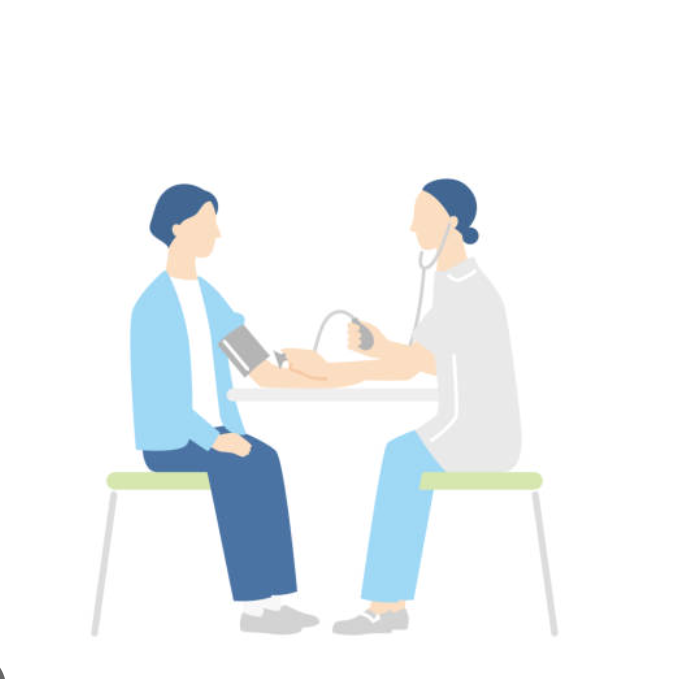
You are a student nurse assigned to obtain morning vital signs. When you enter the room with the equipment, Mr. L looks confused and pulls his arm away. He says: “What is that? Don’t touch me. I don’t like that thing.” When you attempt to place the blood pressure cuff, he becomes tense and tries to remove it.
Skill Focus
Obtaining accurate vital signs in a confused patient
Using therapeutic communication during procedures
Minimizing agitation while ensuring accurate assessment.
“Hi Mr. L, my name is ___. I’m going to check how your body is doing this morning.”
(Show the cuff)
“This will gently squeeze your arm for a few seconds—it won’t hurt. I’ll stay right here with you.”
If resistant:
“That’s okay, we can take a moment. Would you like me to try again in a minute?”
Blood Pressure Monitoring
Use appropriately sized cuffs to prevent discomfort. Significant deviations from baseline can signal acute physical stressors or medication side effects.
Pain assessment in Dementia Care
Assessing pain in patients with cognitive impairment requires observing subtle cues. Because verbal reports are often unreliable, clinicians must rely on standardized observational tools that translate behavioral patterns into measurable data.

Purpose
Identify pain when patient cannot self-report.
Checklist
1. Observe facial expression
-
Grimacing, frowning
2. Body movements
-
Guarding, restlessness
3. Vocalizations
-
Moaning, yelling
4. Behavior changes
-
Increased agitation
-
Withdrawal
5. Use PAINAD scale (0–10 equivalent)
Setting: Medical-surgical unit / long-term care facility
Patient: Mr. D, 87-year-old with advanced Alzheimer’s disease
You are a student nurse assigned to assess Mr. D during morning rounds. He is nonverbal and cannot reliably answer questions due to advanced dementia.
When you enter the room, you notice:
Mr. D is sitting in a chair leaning slightly forward
His facial expression appears tense with intermittent grimacing
He frequently shifts position and rubs his abdomen
When repositioned, he becomes more restless and lets out soft moaning sounds
“Mr. D, I see you look uncomfortable. I’m going to take a closer look to help you feel better.”
Then:
Gently assess abdomen for guarding or tenderness
Observe facial expression and body movements
Check for potential causes (constipation, infection, positioning discomfort)
Review medication history and last bowel movement
Resources
https://www.alz.org/
-
Education on dementia stages, communication, and caregiving
-
Clinical tools and caregiver training resources
-
Free webinars and support materials
-
24/7 helpline info
https://www.nia.nih.gov/health/alzheimers
-
Evidence-based dementia information
-
Brain health and aging research
-
Clinical guidance and symptom explanations
https://www.nursingworld.org/
-
Nursing standards of practice
-
Ethics and patient-centered care
-
Professional guidelines
VIDEOS
https://www.alz.org/help-support/resources/videos
https://www.nia.nih.gov/health/alzheimers
https://www.elsevier.com/solutions/clinical-skills
